How to Store Leftover Interior Paint So It Actually Keeps
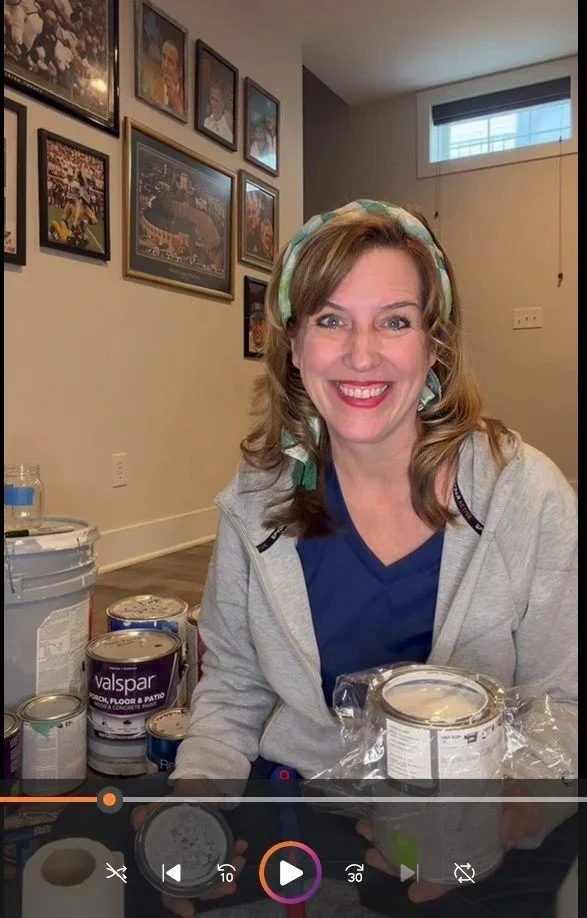
If you’ve ever opened a can of leftover paint hoping to touch up a wall — only to find it thick, chunky, or unusable — you’re not alone. In most cases, interior paint goes bad not because of age alone, but because it wasn’t sealed properly after the first use.
A few simple steps right after you finish painting can dramatically extend the life of leftover paint.
Keep Air Out
Air is the biggest enemy of leftover paint. Before sealing the can, take a moment to wipe the rim and groove clean. Dried paint in this area is the most common reason lids don’t seal tightly, allowing air to slowly get inside.
For added protection, place a layer of plastic wrap over the opening before putting the lid back on. This creates an extra barrier against air and also helps prevent the lid from sticking shut.
When resealing the can, tap around the edge of the lid using a rubber mallet or a hammer with a block of wood. Avoid hitting the center of the lid — even pressure around the rim helps ensure a tight, consistent seal.
Reduce Empty Space
If there’s only a small amount of paint left, transferring it to a smaller container can make a big difference. Mason jars or paint saver containers work well and reduce the amount of air inside the container, helping the paint stay usable longer.
This is especially helpful for touch-up paint you may want to keep on hand for future repairs.
Label It Clearly
Before putting paint away, label the container right away. Include:
The room or wall it was used on
The color and sheen
The date it was purchased or used
These small details can save a lot of guesswork later when you need to make a quick touch-up.
Storing leftover paint correctly takes just a few extra minutes, but it can save you time, money, and frustration down the road. Check back for more practical homeowner tips designed to help you protect and maintain your home with confidence.
