Just Moved In? The First Things Every New Homeowner Should Do
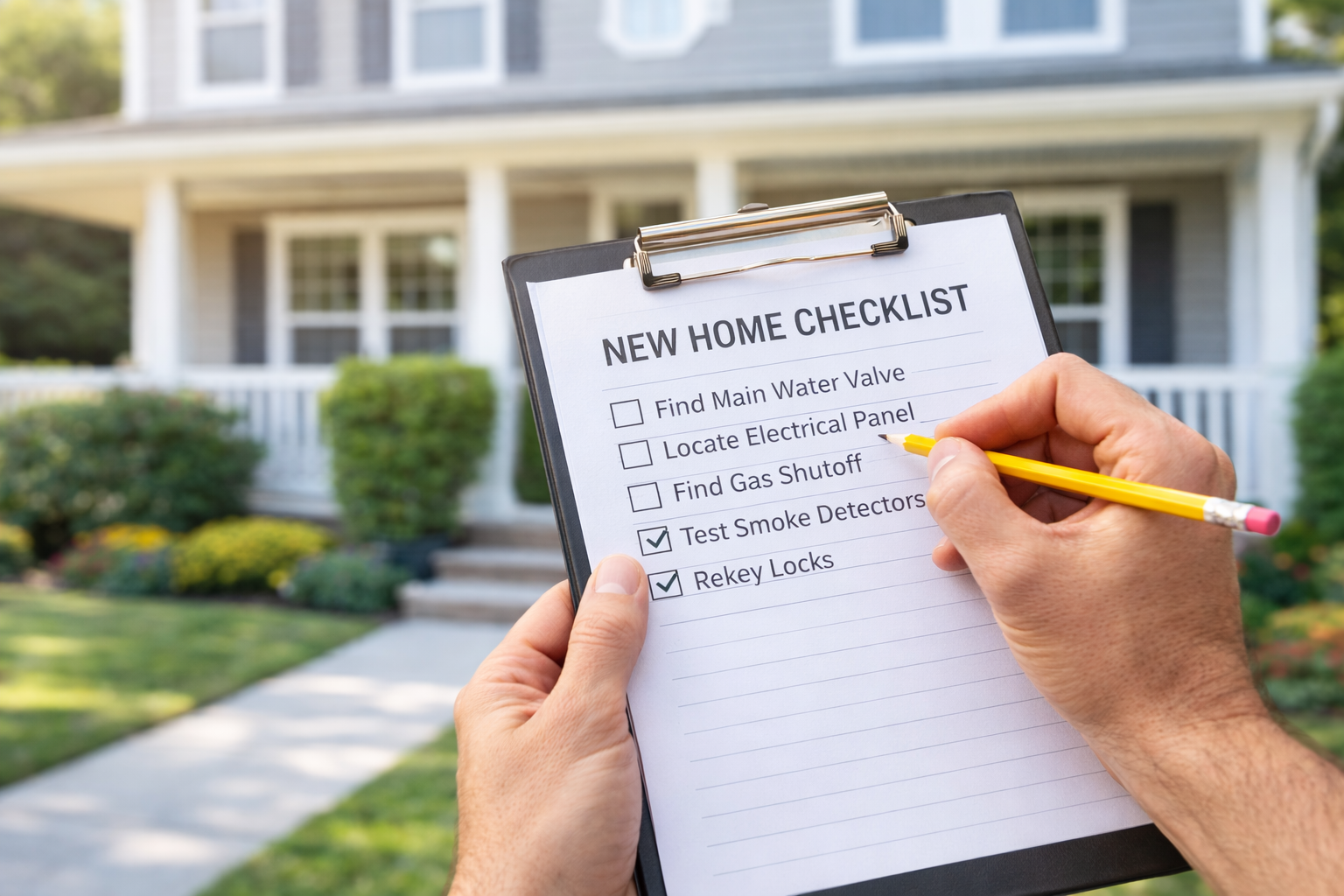
Buying a home is exciting—but once the keys are in your hand, there are a few important things you should do right away. Not the fun stuff like painting or decorating (that can wait), but the things that protect your home, your safety, and your wallet.
If you’re a new homeowner, here’s a simple checklist of first-week essentials that every homeowner should know.
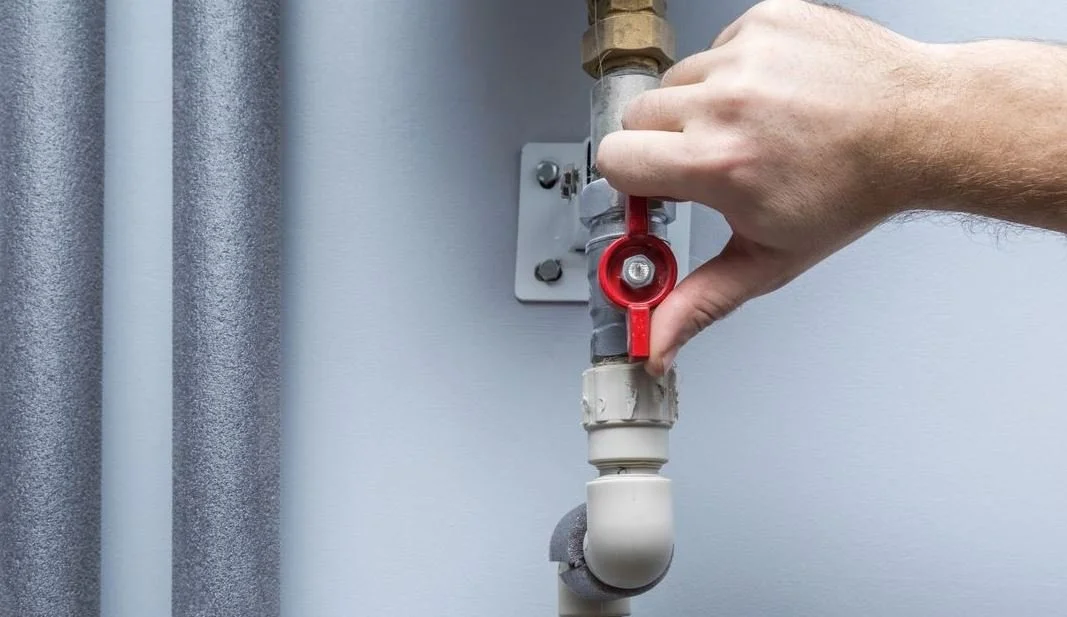
1. Find (and test) the main water shut-off valve
This is one of the most important things to know in your entire house.
If a pipe bursts, a washing machine hose fails, or a faucet starts leaking uncontrollably, shutting off the water immediately can prevent thousands of dollars in damage.
👉 Locate the main shut-off valve and make sure you can turn it.
👉 If it’s stiff or hasn’t been moved in years, consider having a plumber take a look.
2. Locate and label the electrical panel
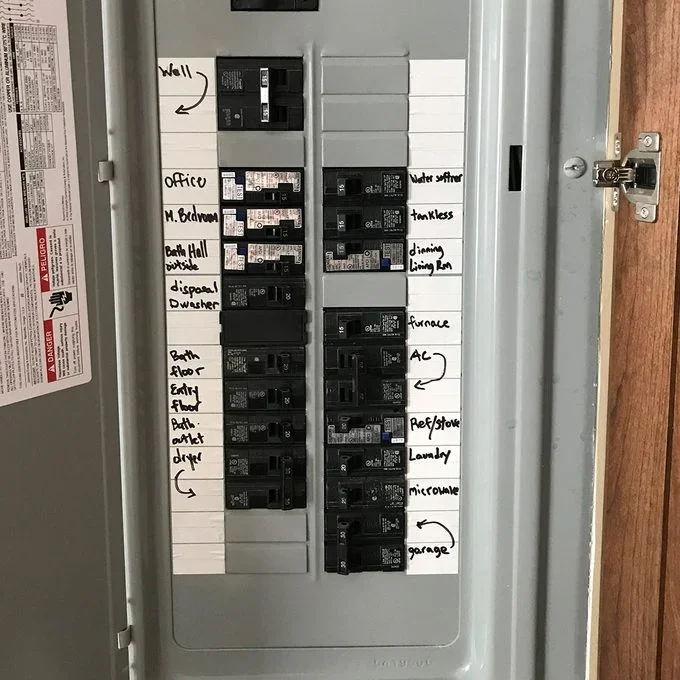
Find your home’s electrical panel and open it up.
Identify where it’s located
Test flipping a breaker so you know how it works
Clearly label each breaker if it isn’t already
In an emergency—or even during a simple repair—you’ll be glad you know exactly which breaker controls what.
3. Find the gas shut-off (if your home has gas)
If your home has a gas stove, furnace, fireplace, or water heater, you should know where the gas shut-off is located.
You don’t need to touch it—but you should know where it is and what it looks like. If you ever smell gas, leave the home immediately and call the gas company.
4. Test smoke detectors and carbon monoxide detectors
Don’t assume they work just because they’re installed.
Test every smoke detector
Test every carbon monoxide detector
Replace all batteries right away
If your home has gas appliances or an attached garage, carbon monoxide detectors are especially important.
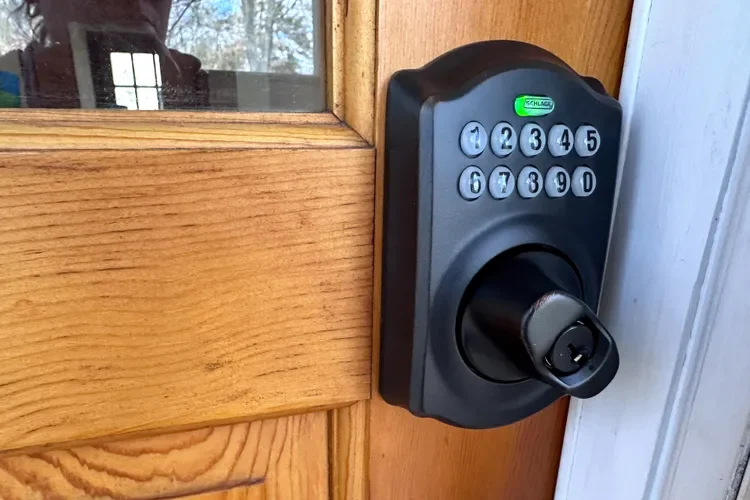
5. Change or re-key the exterior locks
You don’t know who may still have a key—previous owners, contractors, cleaners, or neighbors.
At minimum, re-key or replace the locks on:
Front door
Back door
Garage entry door
This is a small cost for a big boost in peace of mind.
6. Locate the water heater
Find your water heater and take a few minutes to learn:
Its age
Whether it’s gas or electric
Where the shut-off valve is
Knowing this now helps you spot issues early—and makes troubleshooting much easier later.
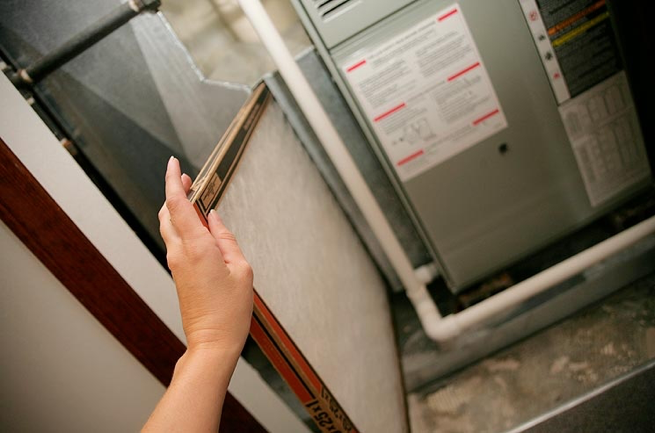
7. Find the HVAC system and replace the filters
Locate your furnace/air handler and thermostat.
👉 Replace the air filter immediately—many sellers forget to do this.
👉 Make a note of the filter size and set a reminder to change it every 1–3 months.
This improves air quality, protects your system, and saves on energy costs.
8. Locate and test the sump pump (if you have one)
If your home has a basement or crawl space, this step is critical.
Find the sump pump
Pour water into the pit to confirm it turns on
Check for a battery backup if applicable
A working sump pump can prevent basement flooding during heavy rain.
Final Thought
Homeownership doesn’t require knowing everything—but it does require knowing the basics. Taking an hour or two during your first week to handle these essentials can save you stress, money, and major headaches down the road.
The fun stuff can wait. Protecting your home comes first.
